Mark Pietz
Member
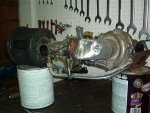
And these.
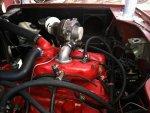
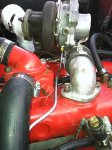
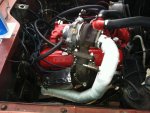
Last edited by a moderator:




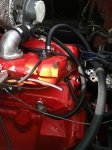
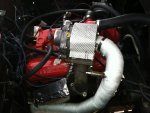
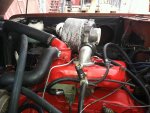
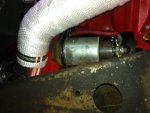
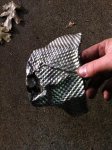
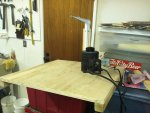
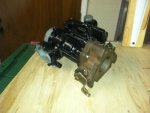
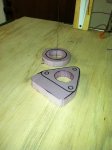


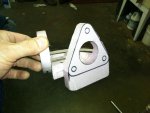
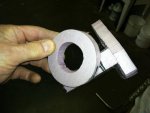
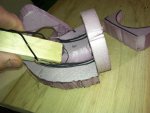
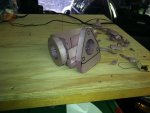
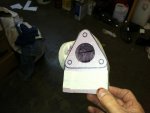
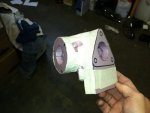
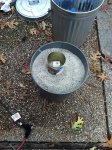
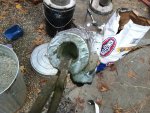
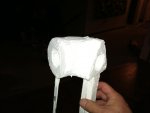
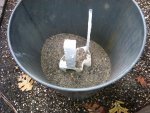
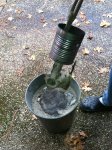
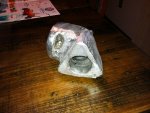
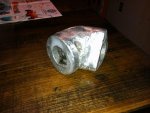
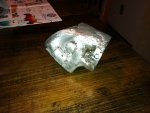
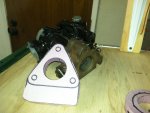
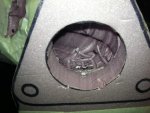
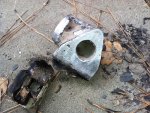 rome wasn't built in a day. I just poured my adaptor, and the casting failed - but not by very much. I didn't have enough aluminum. Also, I could have cut off the portion that was shorted, but it was the defect in the circular flange that was the deal breaker. Close, but no cigar.
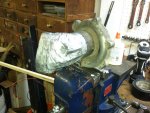
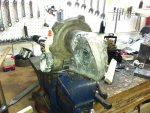
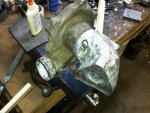
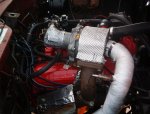
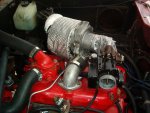
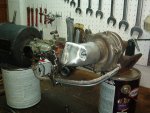
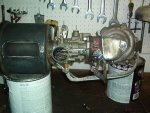
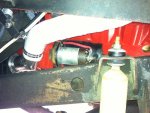
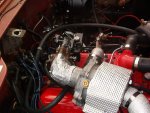 the adaptor isn't useable for its intended purpose but is useful for mocking up the carb, etc. So that's what I've done. I made a jig from an unusable compressor housing to drill the required three holes and pulled that off. There is plenty of meat to drill/tap for studs or bolts for the carb. I was pleased to discover that the alignment planes are correct, I.e., the carb sits level and is oriented transversely. I was also pleased to discover that the air cleaner will mount as in its original application (corvair) and clear the hood, so one of my initial measurements was off. The only thing is that I'll need to point the snorkel backwards and have the hot air inlet pointing up. The snorkel will have to be shortened as it gets close to the firewall, but that's no problem. I will fab a support for the air cleaner housing that will mount to the side of the block, a similar thing done on the corvair. Thus the air cleaner will serve as an outboard support for the carburetor.
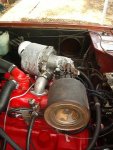
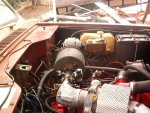 and these.