Michael Mayben
IHPA Tech Moderator - Retired & No Longer Online
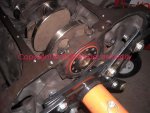
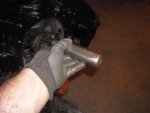
The rear crank seal supplied in this fel-pro gasket set was a 100% silicone item, not the composite seal with the teflon lip. So the lip on this seal gets a smear of assembly lube for break-in purposes.
The flange on the crank was in excellent condition with no discernible wear groove, so no repair sleeve/overlay was needed, more cash saved!
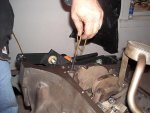
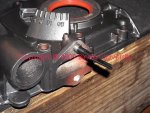
I slide the seal over the crank hub before setting the crank in place, but it's not placed in it's final position yet. Then the crank is lowered onto the main bearings, the caps are snugged into position, while making certain the seal is square in it's bore. Then the mains are torqued.
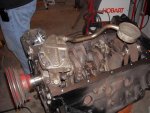
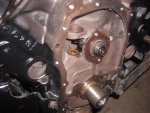
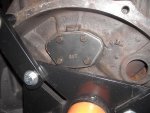
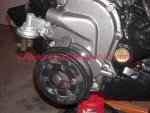
Once the short block is hanging from the hoist so that the cam plate and core plugs can be installed, the crank seal will be driven home to it's final resting place. Then the short block goes back on the stand for completion.
The flange on the crank was in excellent condition with no discernible wear groove, so no repair sleeve/overlay was needed, more cash saved!
I slide the seal over the crank hub before setting the crank in place, but it's not placed in it's final position yet. Then the crank is lowered onto the main bearings, the caps are snugged into position, while making certain the seal is square in it's bore. Then the mains are torqued.
Once the short block is hanging from the hoist so that the cam plate and core plugs can be installed, the crank seal will be driven home to it's final resting place. Then the short block goes back on the stand for completion.