Need advice on how to correctly manage vapor lock

vapor lock is something i have fought for years and keep fighting. every few years it gets worse.
in the 80s-90s almost none existent. 2000s only on really hot days and crawling on trails. 2020's some sort of vapor lock on every trail. --- what's happening is the fuel blends are getting worse for carbureted engines.
i like you want to keep my carb, and not go the fuel injection route. i just don't find them reliable enough to trust 30 miles from no where all alone.

things i have done over the years to fight vapor lock---
1. wrap the fuel lines in some kind of heat reflective wrap- i used a product called lava tube.
2. route fuel lines away from any heat source. on mine i come out of the mechanical pump and go against the passenger inner fender--- then up near the heater box--- then over to the carb.
3. in stall a fuel cooler- (my cooler is more or less a metal tube with fins on it- i bought it from a guy in nevada- crude looking but the fuel comes out cooler)
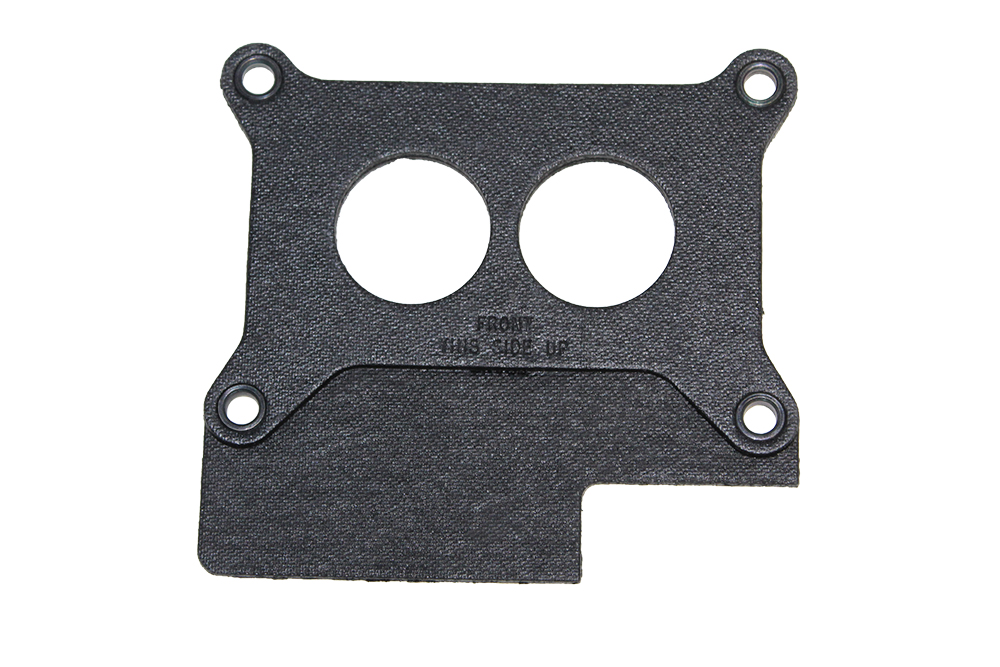
4. use a heat insulator carb gasket.

for me in Colorado altitude and summers, doing the above eliminated vapor lock in city driving be it stop and go or normal Denver traffic. im still fighting some vapor lock on trails especially 11,000 feet and higher. ( my next step is going to be to add a return line to the fuel system)

also you mentioned your running some what hot in normal/traffic driving.
do you remember what temp your thermostat is ? iv found my scout holds about the setting thermostat temp in city traffic driving/ with A/C going. if your is constantly over the thermostat temp, things i would check would be--- air flow across the radiator and engine timing. at idle with a good fan and good shroud there should be enough air flow to hold/suck a single piece of copy paper up against the radiator and A/C condenser.
your engine was just rebuilt- maybe the timing is to low or to high. off in either direction will build excessive heat
my altitude i find about 10-13 degrees of timing is best for me. (my timing marks are getting very hard to read)

good luck in the fight keep updating- id like to know what works for you and if i can apply that to my fight also
 
Thanks for the reply and advice. I really appreciate it. I think part of my problem is I have a air bubble stuck somewhere in the cooling system. The block is not getting a chance to cool. Temps rise with no relief. I'm waiting on a no spill radiator funnel kit by Lisle to arrive so I can see if that will help purge the bubble out. While running from a cold start, if I take the radiator cap off it has non stop trickle of coolant flowing over the radiator neck. That's with it being cold, thermostat not activated yet. Hopefully this will work. I've put a little over 6 years building it, now I want to drive it.

Currently my timing is at 10 deg BTDC, idles in drive foot on brake 700 RPM'S with 15 in vacuum. It's happy there. Always starts, no backfiring, no dieseling or pings after turned off. It took me a little time to find its sweet spot, but it runs great. In the cooler months I did not notice the vaporlock or heating issues. Now that it is summer I have time to drive it and the hidden gremlins are showing up. That's a good idea on the fuel line from pump to carb. I need to get some more DEI Heat wrap and wrap that and my mini torque starter. Everything else is wrapped from exhaust routing past trani pan, tranni lines from trani to radiator, electric wiring in engine bay, and hard fuel line to soft hose before fuel pump. I did my best to control the header heat. Stay tuned I will keep you all updated.
 
Last edited:
If the engine is tight and new, it is going to run hotter for a long time. Modern fuels suck, and depending on your station and fuel blends, it will happen unless you do a electric fuel pump.
 
Zaedster, thanks for the reply. I've only used Chevron gas for it. It's good to know it will run hotter for a while. Is it normal with radiator cap off after a cold start that coolant will trickle out over the radiator neck?

Different topic, will you be doing a part two video on the 1980 diesel Scout upgrades?
 
The only thing that will probably help your situation out is getting a pump like this:

https://share.google/LOvZvTxt8ApTfr9qA

And a nice quality low pressure fuel pressure regulator. As your engine breaks in, you’ll continue to have to tune it. Depending on how tight it is, it will run hot for a long, long time. You need to run it hard to get it to break in if you’re doing lots of easy drives on it.

It just depends on your cooling system, what do you mean by trickle? It should be plumbed into the bottom of the coolant reservoir and you shouldn’t hear anything. It should pull in coolant as it cools and sends it out as it expands. Unless you have an air bubble somewhere.

Yes, hopefully soon. I have lots of plans and dreams but not enough time to execute them in a timely fashion. Thanks for asking.
 
Thanks for the info on the fuel pump. I took the radiator cap off while it was running from a cold start. I wanted it to get above 180 deg so I could confirm the Robert Shaw thermostat was working. I was hoping to see flow of the coolant. What happened with the radiator cap off was a steady trickle of coolant overflowing over the radiator fill neck. I would have thought with it being cold the coolant should have no moment until the thermostat opened.
 
Thanks for your input. From reading through everyones forum posts and Zaedster's comments regarding my rebuilt engine being tight as it is, it is natural for it to be running hotter. With my lack of knowledge on these engines, I'm overthinking things. I had no problems in winter or spring. They showed up in the summer. I just need to keep driving it and break the engine in further. Right now I have 390 miles on it. I will probably pick up a temp gauge so I can moniter the coolant temps and wrap my fuel line from mech fuel pump to carb. If the fuel lines continues to vapor lock I will relocate it away from the heat source. I LOVE THIS FORUM!
 
390 miles isn’t very substantial at all, sounds like your break in time will take quite a while until you can make some better assumptions.
 
and breaking it in if you live any where near foot hills or mountains go on a back road drive some up hills some down hills some low RPM some high RPM some engine load some coasting. all that makes for a good over all well rounded break in
 
I'm lucky. The community I live in is not all flat. It has a few short hills I can take up and down on to give it a load to tackle.
 
I think I may have found the problem to my engine running hotter than it should? When I originally filled the cooling system with coolant and ran it to get the air out of the system for the first time, I don't think I opened the heater valve to bleed the air out of the heater system. All the stress of getting it tuned to idle correctly and run to break the cam in, it may have slipped my mind. Yesterday I purged the cooling system using the Lisle 24680 Spill-Free Funnel kit. This time I also had the heater valve opened full. I installed the funnel kit and filled the funnel with coolant to 1/3rd. After about 6 minutes of idleing in my garage, air temps were 90 degrees, the thermostat opened allowing the coolant to drop into the radiator from the funnel and bubbles were being purged out. I kept squeezing the upper radiator hose to clear all of the air. At 20 minutes of purging I shut it down because the clear fuel filter had very little liquid fuel left in it. The fuel was begining to vaporize. The carb bowl still had fuel at halfway on the site glass. After the engine cooled down I repreated the process to get the remaining small amount of air out of it.

Today I drove the Scout II in my community for 52 minutes/16 miles/90* air temps with the TF727 in 2nd gear maintaining 25 to 35 mph. My community has a combination of small hills and flats. My temp guage never reached the 3/4 mark. It hovered slightly higher than the middle. It would run a little hotter pulling the hills. Coming down the hills or running the flat stretched the temp gauge would cool down. After 10 miles of the drive I pulled over and checked my fuel filter for vapor, it was still 1/2 full of fuel not showing any signs of vapor. I continued the drive.

After the drive, I parked in my driveway and took some temperature readings with the IH345 still running.
Radiator top tank passenger side: 192*
Radiator top tank driver side: 165*
Lower radiator hose from radiator: 163*
Manifold below thermostat housing: 195*
Lower thermostat housing: 196*
Upper thermostat housing: 192*

The cooling systems seems to be working. The coolant drops 30* from going thru the radiator.
With the Scout II running in the driveway recording these temps the clear fuel filter was almost empty of liquid fuel. The fuel pump was beginning to pump vaporized fuel. I may need to look into Zaedsters suggestion on installing an electric fuel pump to battle the summer time vapor lock. One other option, have any of you intalled the Wix fuel filter that has the 1/4" vapor line that you would vent to your fuel tank?

As always, thanks for all of your advice. Have a Great Day!
 
Back
Top