int77345
Active member
vapor lock is something i have fought for years and keep fighting. every few years it gets worse.
in the 80s-90s almost none existent. 2000s only on really hot days and crawling on trails. 2020's some sort of vapor lock on every trail. --- what's happening is the fuel blends are getting worse for carbureted engines.
i like you want to keep my carb, and not go the fuel injection route. i just don't find them reliable enough to trust 30 miles from no where all alone.
things i have done over the years to fight vapor lock---
1. wrap the fuel lines in some kind of heat reflective wrap- i used a product called lava tube.
2. route fuel lines away from any heat source. on mine i come out of the mechanical pump and go against the passenger inner fender--- then up near the heater box--- then over to the carb.
3. in stall a fuel cooler- (my cooler is more or less a metal tube with fins on it- i bought it from a guy in nevada- crude looking but the fuel comes out cooler)
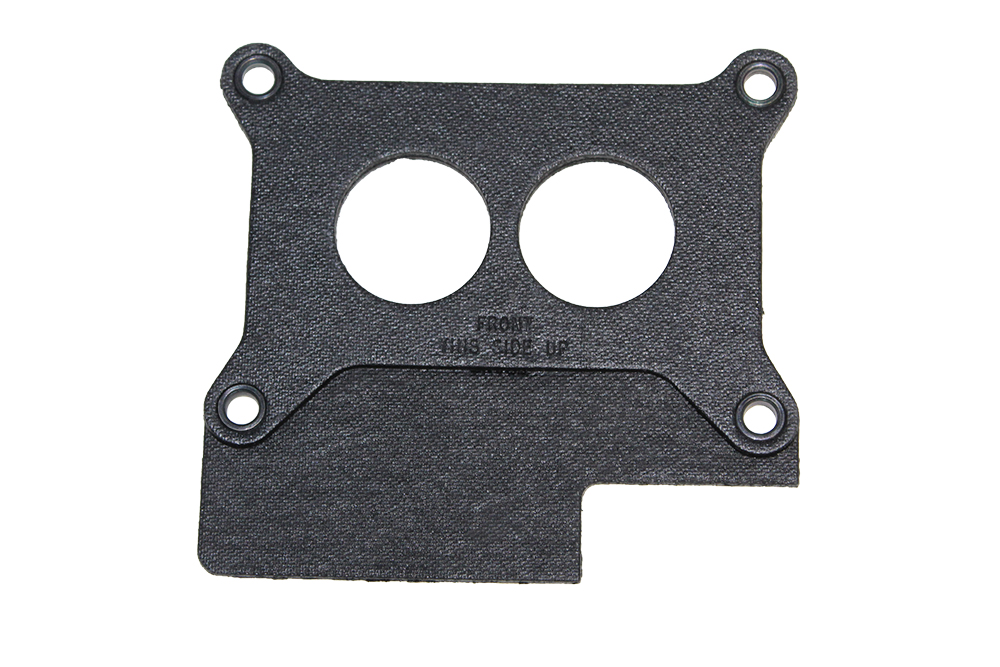
4. use a heat insulator carb gasket.
for me in Colorado altitude and summers, doing the above eliminated vapor lock in city driving be it stop and go or normal Denver traffic. im still fighting some vapor lock on trails especially 11,000 feet and higher. ( my next step is going to be to add a return line to the fuel system)
also you mentioned your running some what hot in normal/traffic driving.
do you remember what temp your thermostat is ? iv found my scout holds about the setting thermostat temp in city traffic driving/ with A/C going. if your is constantly over the thermostat temp, things i would check would be--- air flow across the radiator and engine timing. at idle with a good fan and good shroud there should be enough air flow to hold/suck a single piece of copy paper up against the radiator and A/C condenser.
your engine was just rebuilt- maybe the timing is to low or to high. off in either direction will build excessive heat
my altitude i find about 10-13 degrees of timing is best for me. (my timing marks are getting very hard to read)
good luck in the fight keep updating- id like to know what works for you and if i can apply that to my fight also
in the 80s-90s almost none existent. 2000s only on really hot days and crawling on trails. 2020's some sort of vapor lock on every trail. --- what's happening is the fuel blends are getting worse for carbureted engines.
i like you want to keep my carb, and not go the fuel injection route. i just don't find them reliable enough to trust 30 miles from no where all alone.
things i have done over the years to fight vapor lock---
1. wrap the fuel lines in some kind of heat reflective wrap- i used a product called lava tube.
2. route fuel lines away from any heat source. on mine i come out of the mechanical pump and go against the passenger inner fender--- then up near the heater box--- then over to the carb.
3. in stall a fuel cooler- (my cooler is more or less a metal tube with fins on it- i bought it from a guy in nevada- crude looking but the fuel comes out cooler)
4. use a heat insulator carb gasket.
for me in Colorado altitude and summers, doing the above eliminated vapor lock in city driving be it stop and go or normal Denver traffic. im still fighting some vapor lock on trails especially 11,000 feet and higher. ( my next step is going to be to add a return line to the fuel system)
also you mentioned your running some what hot in normal/traffic driving.
do you remember what temp your thermostat is ? iv found my scout holds about the setting thermostat temp in city traffic driving/ with A/C going. if your is constantly over the thermostat temp, things i would check would be--- air flow across the radiator and engine timing. at idle with a good fan and good shroud there should be enough air flow to hold/suck a single piece of copy paper up against the radiator and A/C condenser.
your engine was just rebuilt- maybe the timing is to low or to high. off in either direction will build excessive heat
my altitude i find about 10-13 degrees of timing is best for me. (my timing marks are getting very hard to read)
good luck in the fight keep updating- id like to know what works for you and if i can apply that to my fight also